Elevate Your Home Environment: Modern Design Strategies for Improving Everyday Spaces in Your Home
Reimagining a home interior demands more than just aesthetic changes; it calls for deliberate strategy and fresh ideas. Common areas, such as entryways and living rooms, are essential for creating a welcoming atmosphere. Through the use of well-planned layouts and clever storage options, one can elevate both practicality and aesthetics. Discovering diverse design approaches opens doors to unique self-expression. What components truly give a space its distinctive character? The answer may be simpler than expected.
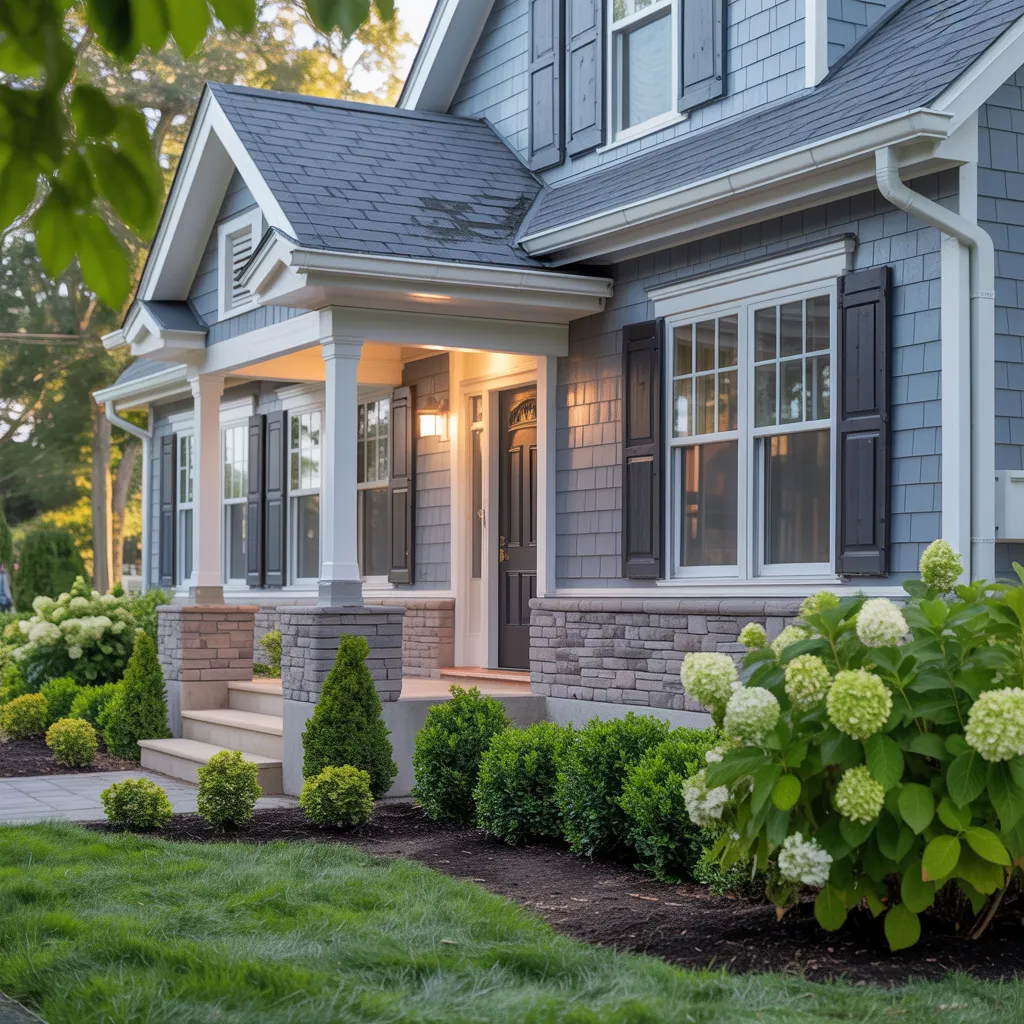
Craft a Welcoming Entryway: First Impressions Are Everything
How can a well-designed entryway transform a home's atmosphere? A thoughtfully curated entryway serves as the first point of contact, setting the tone for the entire residence. It welcomes visitors while showcasing the homeowner's personality and aesthetic sensibilities. Essential components like lighting, color schemes, and furnishings are instrumental in crafting an inviting atmosphere. Gentle, ambient illumination can smooth out sharp transitions, while a vibrant find the information new paint color in welcoming shades elevates the overall visual experience.
Incorporating useful items, such as a elegant bench or well-arranged storage, adds practicality without sacrificing design. Ornamental accents, including artwork or a striking mirror, can greatly improve the space, rendering it both practical and visually appealing. By prioritizing these details, an entryway can be reimagined as a welcoming, cozy threshold that leaves a lasting first impression, effortlessly connecting the outside world with the warmth of your living space.
Refresh Your Living Room: Easy Layout Ideas
In revitalizing a living room, thoughtful furniture organization plays an essential role in enhancing both functionality and aesthetics. By carefully arranging seating and tables, one can create a more inviting atmosphere. Moreover, incorporating dual-purpose furnishings can optimize available space while enhancing the room's natural flow.
Improve Furniture Layout
A strategically designed furniture arrangement can remarkably improve a living room, improving both its practicality and visual charm. To achieve an inviting atmosphere, one should evaluate the flow of movement within the space. Placing larger pieces, such as sofas, against walls can create a more airy feel, while petite chairs and accent tables can create cozy conversation areas. Keeping corridors free and unhindered promotes ease of movement. Additionally, utilizing decorative rugs can help define different zones, offering the area a cohesive framework. It is crucial to sustain equilibrium between design and utility; preventing clutter ensures every item can be admired. By deliberately placing furniture pieces, one can create a harmonious environment that invites relaxation and social interaction.
Integrate Multi-Purpose Elements
Optimizing a living room's versatility can be accomplished by integrating dual-purpose pieces that serve numerous purposes. For illustration, a sophisticated ottoman can serve as a coffee table and provide hidden storage for games or blankets. Sofa beds present a cozy seating option while becoming a guest bed when needed. Nesting tables are another exceptional choice, offering flexibility in surface area for snacks or drinks without taking up excessive space. Moreover, wall-mounted shelves can display decor while offering extra storage without congesting the floor. By choosing versatile furniture, homeowners can develop a adaptable environment that adapts to their lifestyle, making the living room both welcoming and functional. These elements not only improve space but also improve the overall appeal.
Dining Room Transformation: Stylish and Functional Designs
Renovating a dining zone can substantially boost a residence's overall look and usability. A carefully planned dining environment not only serves as a gathering spot but also enhances the atmosphere of the residence. To attain a refined aesthetic, explore a balanced color combination that aligns with present interior design, using neutral tones accented with vibrant shades. Introducing a statement dining table, such as a rustic reclaimed wood design or a elegant glass table, can work as a design highlight.
Practical layouts often feature booth-style seating, which maximizes space and adds comfort. Adaptable furnishings, like adjustable tables, can host different group sizes without compromising on aesthetics. Lighting is a key factor; stylish pendant fixtures or an elegant chandelier can set a welcoming mood. Lastly, adding personal touches through artwork or decorative centerpieces can make the area inviting, guaranteeing that the dining room evolves into a treasured feature of the home.
Home Office Design Tips for Enhanced Productivity
Developing a functional home office requires thorough assessment of essential factors that shape productivity. Identifying properly designed furniture, enhancing the lighting conditions, and personalizing the workspace can greatly enhance productivity and well-being. These helpful guidelines help transform a home office into an inspiring and productive workspace.
Ergonomic Furniture Selection
Picking out ergonomic office furniture is essential for individuals seeking to enhance their home office setup. This type of furniture is built to copyright the body's natural positioning, reducing the risk of physical strain and lasting health concerns. Key pieces include adjustable chairs, which help people maintain proper foot placement, and surfaces that allow for both sitting and standing work. Furthermore, elements including lower back support and padded arm rests improve comfort throughout long work sessions. Adding a keyboard tray can further encourage correct wrist positioning, additionally reducing the risk of strain. By embracing ergonomic choices, individuals can create a workspace that fosters productivity and well-being, culminating in a smoother and more rewarding remote work environment.
Ideal Lighting Strategies
Though various elements impact efficiency in a home workspace, ideal lighting stands out as an essential factor. Natural light is particularly beneficial, as it boosts mood and alleviates eye strain. Placing the desk close to a window allows for maximum daylight exposure, which can boost focus and creativity. In situations where natural light is insufficient, flexible artificial lighting becomes essential. Dimmable task lighting fixtures can deliver focused lighting, decreasing glare across monitors and papers. Additionally, incorporating warm-toned LEDs can generate a welcoming environment, cultivating an effective work setting. Layering light sources—using ambient, task, and accent lighting—ensures that the office space stays properly lit during all hours. By prioritizing effective lighting solutions, a person can considerably boost their overall home workspace productivity.
Make Your Workspace Your Own
An appealing and tailored workspace has the potential to substantially improve performance in a home office. To achieve this, individuals should select colors that inspire creativity and focus, such as soft blues or energizing yellows. Integrating meaningful items, like paintings or personal photos, can foster a sense of comfort and motivation. Ergonomically sound furniture, like flexible desks and supportive seating, is fundamental in supporting bodily wellness during long work hours. Furthermore, arranging materials with attractive storage options aids in reducing interruptions. Incorporating houseplants can likewise purify the air and cultivate a soothing ambiance. By carefully designing their work environment, individuals can reflect their personality while optimizing functionality, thereby achieving improved performance and workplace contentment.
Welcoming Color: Daring Palettes for Beautiful Spaces
Bold colors can transform ordinary spaces into stunning visual statements, infusing life and character into every space. When choosing dynamic color combinations, residents can create an atmosphere that reflects their unique style and fosters a lively environment. Experiment with matching rich navy tones with golden yellows or lush greens with bold warm oranges to produce compelling color dynamics that command attention.
Accent walls painted in striking hues can also serve as focal points, enhancing the overall aesthetic. Textiles, such as cushions and rugs, can be selected in complementary shades to further tie the room together. Furthermore, introducing striking artwork or ornamental accents can enhance the color palette, making the space feel unified and carefully curated.
At its core, applying color deliberately makes possible the crafting of spaces that are both aesthetically pleasing and emotionally enriching, encouraging residents to embrace their surroundings and celebrate the liveliness of their surroundings.
Practical Storage Tips to Decrease Clutter
Optimizing space with intelligent storage options can significantly minimize clutter throughout your home. Making use of vertical space is key; tall bookcases and shelves mounted on walls guide the eye upward while delivering plenty of storage space. Multifunctional furniture, such as ottomans with hidden compartments or coffee tables with drawers, can serve dual purposes, eliminating the need for excess items. For more compact spaces, think about using under-bed storage containers or custom cabinets that tuck neatly into alcoves.
Within the kitchen, magnetic strips for knives and wall-mounted racks for pots can clear up valuable counter space. Furthermore, utilizing clear bins or labeled containers within closets can make items more accessible while keeping them organized. Incorporating these intelligent storage strategies not only enhances functionality but also cultivates a calm and serene atmosphere, permitting homeowners to appreciate their spaces without the burden of clutter.
Personal Touches: Weaving Your Personal Style Into Each Space
After implementing smart storage solutions to create a clutter-free environment, homeowners typically begin directing their efforts toward personalizing their spaces. Incorporating distinctive style elements into shared spaces can completely change the feel of a home. Such personalization typically starts by identifying colors and textures that speak to individual sensibilities. Homeowners might select bold accent walls, soft textiles, or statement furniture pieces that reflect their personality.
Incorporating artwork and personal keepsakes additionally enriches this personal touch. Travel souvenirs, family photos, and local artwork can serve as conversation starters while infusing warmth. Additionally, introducing plants brings a lively touch, cultivating a deeper connection with nature.
Lighting choices also play an essential role; distinctive fixtures can set the atmosphere and emphasize design elements. At its core, merging these aspects cultivates an inviting atmosphere that feels genuinely personal, making certain every space conveys a narrative that mirrors its residents. By balancing visual appeal with personal meaning, homeowners can transform their living areas into genuine reflections of identity.
Frequently Asked Questions
What Affordable Materials Can I Use for Home Improvements?
Economical options for household improvements include laminate floor materials, MDF for built-in storage, reclaimed wood for accents, vinyl wall coverings, and paint. These solutions offer aesthetic appeal without a substantial financial commitment, upgrading rooms efficiently and economically.
How Do I Pick the Appropriate Lighting for Every Area?
To select the most suitable lighting, consider each area's purpose and atmosphere. Utilize warm hues for relaxation, strong illumination for work areas, and adaptable lighting for flexibility. Layering fixtures creates visual depth and produces a harmonious ambiance.
What Are Some Eco-Friendly Design Ideas for My Home?
Including salvaged resources, using eco-friendly devices, and choosing non-toxic paints can enhance eco-friendliness. Additionally, harnessing natural illumination and integrating interior greenery contribute to a sustainable design while elevating air quality and aesthetics.
How Can I Integrate Technology Into My Living Space?
Integrating modern technology into a residence can include intelligent lighting, automated climate control, integrated sound systems, and smart voice assistants. These advancements improve overall convenience, maximize overall energy efficiency, and create a fully connected and engaging living environment.
What Seasonal Decor Ideas Can Transform My Common Areas?
Incorporating seasonal decor can uplift shared spaces through decorative themes like bold throw pillows, celebratory centerpieces, and nature-inspired arrangements. Delicate lighting transitions and seasonal artwork also improve the atmosphere, establishing a hospitable setting across all seasons.
Comments on “Discover Home Remodeling for More Space”